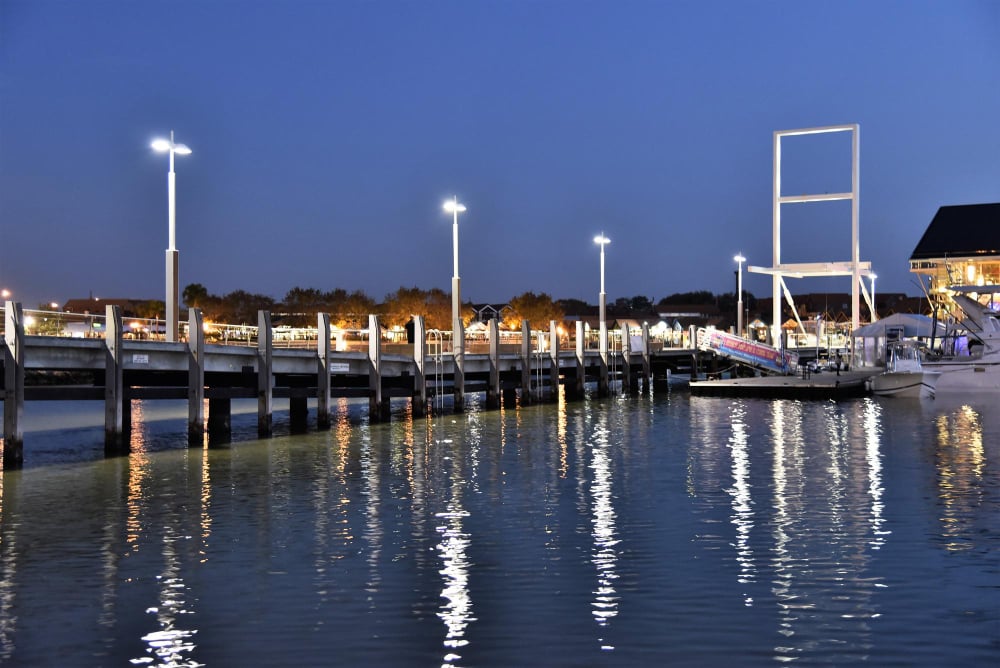
Infrastructure development today is no longer just about building roads, bridges, or industrial facilities—it’s about building efficient, sustainable, and future-ready systems. One of the biggest changes shaping modern infrastructure is the shift toward LED lighting solutions.
Unlike traditional lighting systems, LED lighting is designed to deliver high performance while reducing long-term operational costs. This is why government bodies, private developers, and industrial planners are increasingly choosing LED technology for infrastructure projects.
One of the key advantages of LED lighting is energy efficiency. LEDs consume significantly less power compared to conventional lighting options, helping infrastructure projects meet energy-saving targets without compromising on brightness or coverage. This is especially important for large-scale projects such as highways, industrial parks, mining areas, and public spaces where lighting runs for long hours.
Another major factor driving this shift is durability and lifespan. Infrastructure lighting must withstand harsh environments, including dust, rain, heat, and continuous operation. LED lights are built to last longer and require minimal maintenance, reducing downtime and maintenance costs over time.
LED lighting also plays a crucial role in improving safety and visibility. Well-designed lighting layouts ensure uniform illumination, reducing dark spots and glare. This improves safety for workers, drivers, and pedestrians while also enhancing productivity in industrial and commercial environments.
Additionally, LED lighting supports sustainability goals. Lower energy consumption directly translates to reduced carbon emissions. Many modern LED systems are also compatible with smart controls, allowing authorities and businesses to monitor performance, automate lighting schedules, and further optimize energy usage.
In today’s infrastructure landscape, LED lighting is no longer an upgrade—it’s a necessity. By choosing the right LED solutions, infrastructure projects can achieve better performance, lower costs, and long-term environmental benefits.